
Technology promises us a huge amount. Better accessibility, greater participation, and fewer disabling barriers. Yet, many products fail to live up to this. Uninformed by lived experience, they fail to understand the real problem. At best, they are a distraction, and at worst they can be actively harmful. When you get to the root of it, the solution being offered is “stop being you”.
In this roundtable talk at the London Tech Week Fringe 25, Marc Goblot and Matthew Bellringer were joined by Marissa Ellis of Diversily to discuss:
How Self Determination can help us understand where technology can best support neurodivergent and disabled people, where it fails, and how we can address that. How it’s vital that the tools we create support autonomy, competence, and connectedness. What design approaches are they using to support Self Determination in their own work.
If you’re interested in accessibility, adaptive design, and building technology that makes the world a better place, then please have a look.
Presenters:
Matthew Bellringer - https://www.linkedin.com/in/matthew-bellringer/
Marc Goblot - https://www.linkedin.com/in/marcgoblot/
Marissa Ellis - https://www.linkedin.com/in/marissaellis/
Self-Determination Theory Framework
Self-determination theory (SDT) focuses on motivation and what drives people to do what they want to do[1]. The framework breaks down into three core psychological needs that technology can either support or undermine: autonomy, competence, and connectedness.
Autonomy: Control and Choice
Autonomy involves being able to make your own decisions and work in your own way[1]. Technology presents significant trade-offs in this area:
Positive Impact:
- Assistive technologies like Meta ray bands enable blind users to navigate independently, suddenly providing autonomy to “go and do things in the way that I want to do them”.
Negative Impact:
- The same technologies create risks by having “an organization collecting tons of data about me and making me work in specific ways and not allowing me to work in other ways”.
- Personalized feeds on websites that claim customization but “always somehow adding in its own agenda” rather than giving users control.
- The common pattern where technology “lets you do more in the day to day, but it only lets you do what the designer or the company delivering it wants you to do”.
Competence: Ability and Mastery
Competence focuses on being able to do what you want without barriers, and having the ability to achieve your goals.
Positive Impact:
- Spell checkers enable better writing: “I can write in well spelled English as a result of the spell checker that I use all the time because I wouldn’t be able to do that”.
- Calendar systems support executive function: “I show up at meetings because I arrange everything very strictly in a calendar, and it reminds me; otherwise I would simply not be present for things”.
- Well-designed tools that are “optimized about right for what you feel your skills are” - challenging enough to avoid boredom but not overwhelming.
Negative Impact:
- Badly designed forms that prevent applications or essential tasks.
- Technology that doesn’t work with existing assistive tools.
- Tools that make users “feel unable and make them have some negative thoughts about themselves”.
Design Principles for Competence:
- Breaking information into “bite size chunks so that users can navigate in pieces rather than be overwhelmed”.
- Sensory-sensitive interface design
- Predictive support that acknowledges different productive times throughout the day.
Connectedness: Relationships and Meaning
Connectedness involves working in line with others and connecting with the broader community.
Positive Impact:
- Online communities provide vital connection for people who “did not think like the majority of people” and help them “find other people who experience the world like us”.
- Technology enables diverse interaction preferences through “speech to text, convert text to speech, write things down asynchronously, talk in smaller groups”.
- AI coaches help with social situations where “social interactions are ambiguous or challenging”.
- Authentic sharing of neurodivergent experiences leads to “deeper connection” and “stronger and more meaningful interactions”.
Platform Choices Matter:
- Users actively avoid “nasty and evil” platforms like Facebook/Meta in favour of open source alternatives like Mastodon and Matrix.
- These alternatives “feel more genuine” because “people are there because they want to be” rather than due to corporate algorithms.
Five Key Design Patterns
The webinar identified five design patterns for implementing SDT principles:
1. Transparency and Legibility
- Not just transparency but understandability - “transparency that is not possible for people for end users to really understand the consequences of is not really transparency”.
- Provides needed clarity about data use and platform motivations.
2. Co-production
- “Making sure that people are actively involved in the production of technology that they use”.
- Must be “end to end” involvement, not just “token people at the very end”.
- Should involve “lived experience tech entrepreneurs” who understand their audience.
3. Individualisation
- Distinguished from corporate “personalization” - focuses on “adaptive tech, making it work for that person in a much more infinitely flexible way”.
- Example: Tim Berners-Lee’s “solid” project for personal data control.
4. Interoperability
- Often overlooked but crucial since people use multiple technologies.
- Problem: workplace security systems that prevent assistive tech integration, leaving users unable to access needed tools.
5. Data Sovereignty
- Users require control over their data and how it’s used.
- Includes using local AI agents that “doesn’t have to go to somebody else” and keeping “AI operating on the device”.
Universal Design Benefits
A crucial insight from the webinar is that “this is about building better tech tools for everyone, fundamentally”. By thinking about these needs, developers “see opportunities to do better” and it should be “positioned as a real positive, as opposed to this difficult edge case”.
The framework provides a systematic way to evaluate whether technology truly empowers users or merely creates the illusion of empowerment while maintaining corporate control. This is a critical distinction for disabled and neurodivergent users, who often have fewer alternatives when technology fails to meet their needs.
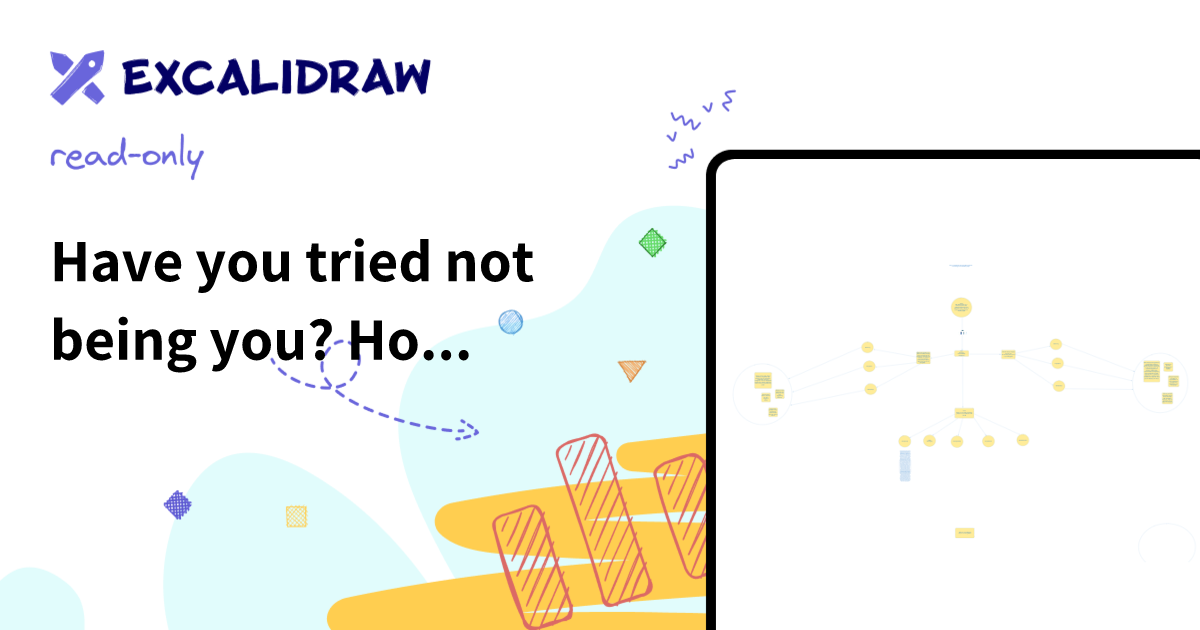
Below is a link to a visualisation of the presentation, moving from top to bottom with some sideways tangents:

References
The Theory – selfdeterminationtheory.org


SDT and Autism - On ABA Therapy, Self-Determination, & Healthy Psychological Development
 Michelle Sara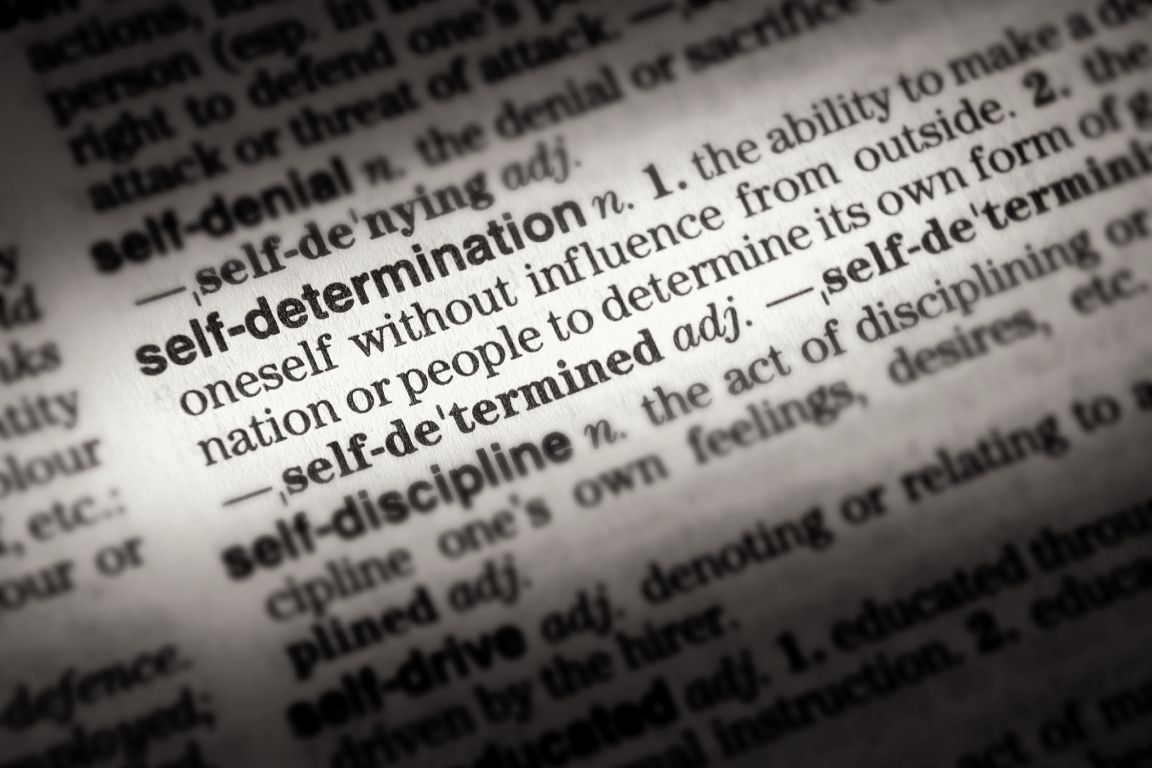
This looks at a hybrid approach to Capability and Self-determination theories:
Enablers and barriers to engaging under-served groups in research: Survey of the United Kingdom research professional’s views.
 Caroline Wroe
Autonomy Benefits and Risks of Assistive Technologies for Persons With Intellectual and Developmental Disabilities
 Fiachra O’Brolcháin
Applying Self-Determination Theory to Support Neurodiverse 18-Year-Olds: A Holistic Approach
Technology – selfdeterminationtheory.org


Self-Determination for Youth and Adults with Autism - YouTube
Supporting people with cognitive disabilities to self-determination - YouTube
Applying Self-Determination Theory to Support Neurodiverse 18-Year-Olds
 Emma Redman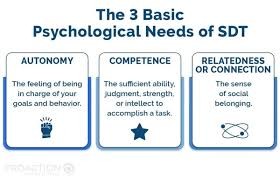
ICT-enabled self-determination, disability and young people
What you can do, find out more, how you can get involved, engage with us:
- GitHub and Codeberg communities - Open access collaboration for diverse needs and cultures. Let’s make Universal Digital Public Goods. Follow us on https://github.com/digital-diversity-lab and https://codeberg.org/Digital-Diversity-Living-Lab
- Mailing list / group - Join expanding community and communication tools to build collaborations globally. info@digitaldiversitylab.org - More to come!
- Amplify - change mindsets through resonant and collective voices. Check out inclusive innovation via Amplify. Amplify: The Inclusive Innovation Collective - Diversily
- Say hi! https://www.linkedin.com/in/marcgoblot/

